If you’ve ever gone searching online for why your home feels drafty (or why your upstairs is freezing in winter and sweltering in summer), you may have stumbled across the term “crawl space.”
But here’s the thing: a lot of Wisconsin homeowners researching crawl space insulation are actually thinking of something else entirely, a side attic.
Both spaces are unfinished, out of sight, and outside your main living area. But they play very different roles in your home’s performance. Knowing the difference helps you understand where your comfort and energy-efficiency issues really start and what to do about them.
What Is a Crawl Space?
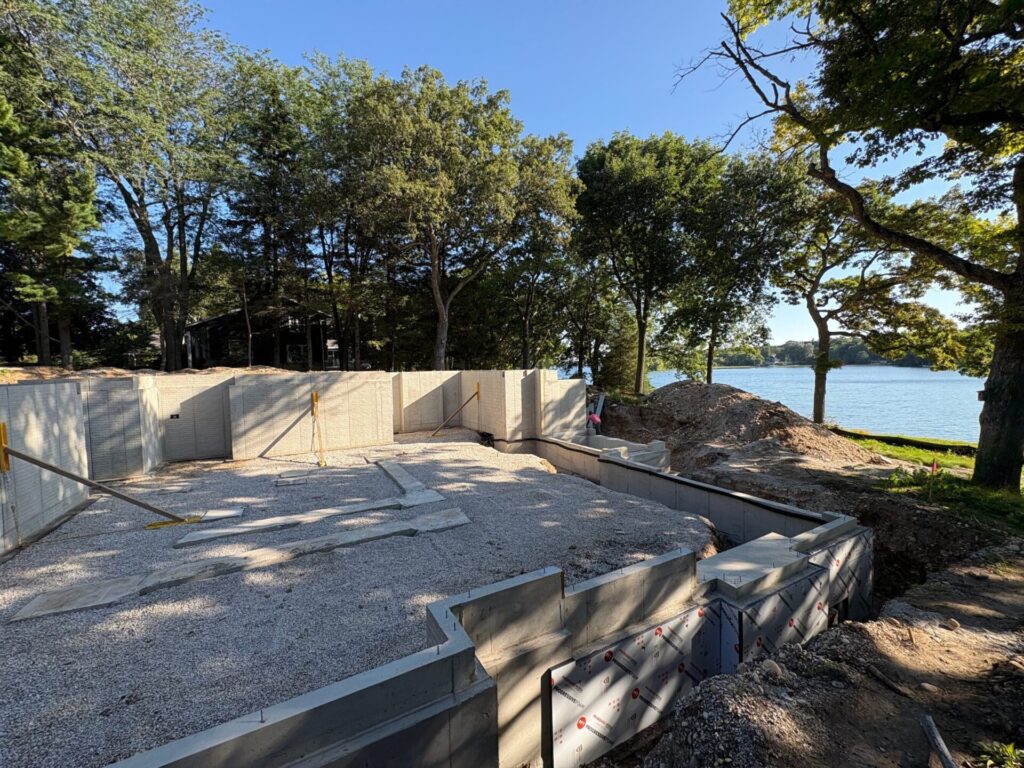
A crawl space is the narrow area between the ground and the first floor of your home, typically one to three feet tall. It’s designed to give access to plumbing, wiring, and ductwork that run under the house.
Because it sits directly above the soil, your crawl space is especially vulnerable to moisture, humidity, and air infiltration. Without proper air sealing and insulation, humid air can move up into your living space, leading to musty smells, mold growth, uneven temperatures, and higher utility bills.
Over time, this can affect your home’s durability and indoor air quality. A well-insulated and sealed crawl space (paired with a vapor barrier) keeps your home drier, healthier, and more efficient.
What Is a Side Attic (or Knee Wall)?
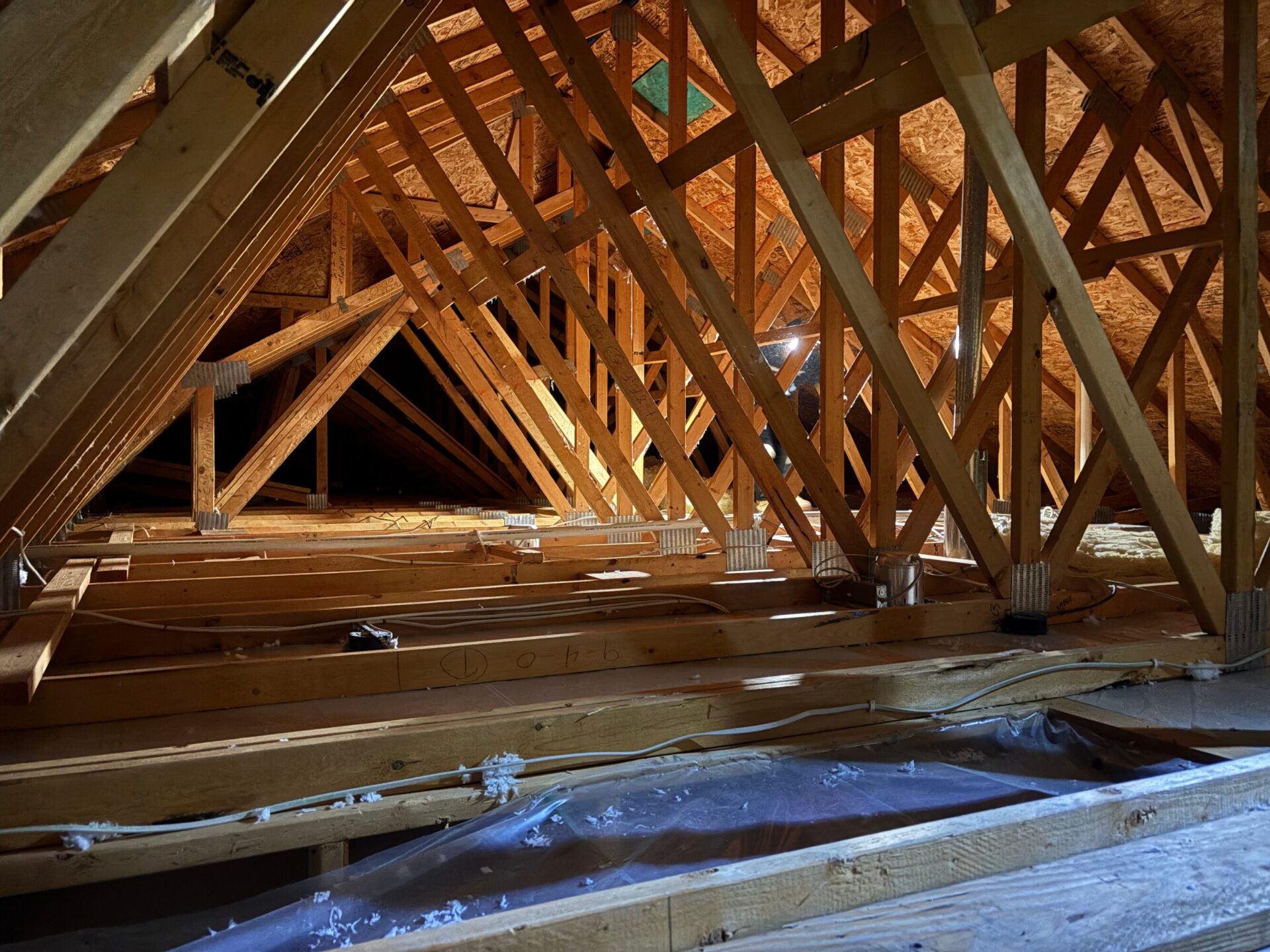
A side attic is a small unfinished space located behind short, sloped walls on the upper floor, most common in 1.5-story, Cape Cod, and bungalow-style homes throughout Wisconsin.
These areas are technically part of the attic, but they’re separated from your finished rooms by short vertical walls called knee walls. Builders often leave side attics uninsulated or poorly sealed, making them one of the biggest hidden culprits for energy loss in older homes.
When warm indoor air escapes into these unconditioned spaces, it can lead to:
- Hot or cold upstairs rooms
- Drafts around baseboards or outlets
- Ice dams along the roofline
- Higher heating and cooling costs
Properly insulating and air sealing these spaces ensures that your conditioned air stays inside where it belongs.
Crawl Space vs. Side Attic: The Key Differences
While both crawl spaces and side attics are unconditioned parts of your home, they’re located in opposite parts of your home and pose different problems.
| Feature | Crawl Space | Side Attic |
| Location | Beneath the first floor | Beside upper-level rooms |
| Purpose | Access to plumbing, ductwork, and wiring | Space between roofline and upstairs walls |
| Primary Concern | Ground moisture, cold floors, poor ventilation | Air leakage, insulation gaps, temperature imbalance |
| Common Symptoms | Musty smells, uneven heat, high humidity | Drafty upstairs, hot/cold rooms, ice dams |
| Typical Fix | Air seal, insulate, install vapor barrier | Air seal knee walls and penetrations, insulate roofline or walls |
Knowing which one you have (and how it’s performing) can help you target the real source of comfort issues rather than just treating the symptoms.
How Air Sealing and Insulation Solve Both Problems

Whether your problem starts above or below, air sealing and insulation work together to create a more stable, efficient, and comfortable home.
- Air sealing closes the gaps where conditioned air leaks out and unconditioned air sneaks in, around top plates, electrical wires, plumbing, ducts, and vents.
- Insulation slows heat transfer, keeping your living spaces warm in winter and cool in summer.
Together, these solutions form a continuous thermal and air barrier that protects your home year-round.
Wisconsin Home Improvement’s Full Air Seal Package addresses both crawl spaces and attics by sealing every penetration that allows air to move between levels. It’s one of the most effective ways to improve efficiency and comfort, especially in older Wisconsin homes.
How to Tell Which Space Needs Attention
Here are some clues to help you determine whether your crawl space or side attic might be the problem:
Signs of Crawl Space Issues:
- Floors feel cold in winter
- Musty or damp odors in lower levels
- Visible condensation on ducts or joists
- Higher humidity or mold in the basement
Signs of Side Attic Issues:
- Upstairs rooms are too hot in summer or cold in winter
- Drafts near knee walls, outlets, or floorboards
- Ice dams forming along the roof edge
- Dusty air or inconsistent airflow from vents
If you’re unsure, a professional home efficiency assessment can pinpoint exactly where your home is losing energy. WHI uses building science testing methods to diagnose comfort and efficiency problems, so you can invest in solutions that actually work.
Why It Matters for Wisconsin Homes
Southeast Wisconsin’s mix of cold winters, humid summers, and older home styles makes these spaces particularly important to maintain. An unsealed crawl space can pull cold, damp air into your home, while an unsealed side attic can let heat escape right through your roofline.
Addressing these areas is about more than just comfort. It’s about protecting your home’s structure, lowering your energy bills, and ensuring healthy indoor air quality for years to come.
The Bottom Line
Your crawl space and side attic may be hidden, but they play a big role in your home’s comfort, energy use, and durability. Understanding the difference between the two helps you make smarter decisions about insulation and air sealing.
Whether your problem is cold floors, hot upstairs rooms, or high utility bills, Wisconsin Home Improvement can help you identify the root cause instead of merely treating the symptoms.Not sure what’s behind your home’s comfort issues?Schedule your free Home Efficiency Assessment today to find out.