

Although mold and mildew are unsightly in any home, the health impacts of mold can be much more significant than the negative visual. According to the United States Environmental Protection Agency (EPA), “molds produce allergens (substances that can cause allergic reactions), irritants, and in some cases, potentially toxic substances (mycotoxins).”1 Inhaling molds can cause allergic reactions, asthma attacks, and hay fever-type symptoms. As a result, addressing mold issues inside a home goes well beyond aesthetic concerns and can make a big difference in your family’s health.
Symptoms of Mold Exposure
People who have a mold allergy may experience symptoms when exposed to mold. Common symptoms of a mold allergy include sneezing, coughing, congestion, and itchy or irritated eyes.2 Prolonged exposure to mold can also cause symptoms in people who do not have allergies.
Common Health Issues Caused by Mold
In addition to allergic responses, other health issues can be triggered or exacerbated by the presence of mold. Homeowners wondering how mold affects health should be aware that the presence of mold can lead to anything from watery eyes and runny noses to headache, fatigue, and difficulty breathing.3 Consistent exposure to mold, such as in a home, can lead to increased mold sensitivity and more severe reactions. Sensitive populations such as infants and children, elderly adults, and those with compromised immune systems are also at risk for more severe reactions.

Respiratory Problems
People with existing conditions, including respiratory illnesses or asthma, may experience negative health effects in a home with a mold problem. The EPA indicates that individuals with asthma should avoid exposure to mold for this reason.4
According to the American Lung Association,5 anyone regardless of allergies or preexisting conditions, may experience respiratory issues when exposed to mold, including:
- Worsening of asthma
- Coughing
- Wheezing
- Nasal congestion
- Sore throat
- Sneezing
- Rhinitis
Allergic Reactions
People with mold allergies are most likely to experience adverse health effects from mold in your home. Mold produces both spores and microbial volatile organic compounds (mVOCs). People with allergies could have an increased immune response to either of these airborne particles, leading to inflammation in the nose, eyes, and lungs.6 The organic compounds released by mold are also what create a musty smell, which is one of the first signs of mold that many homeowners notice.
Chronic Health Conditions
Mold can exacerbate chronic respiratory conditions such as asthma. There is some indication that prolonged exposure to mold or damp buildings can lead to a chronic condition known as dampness and mold hypersensitivity syndrome (DMHS)7. There is currently no diagnostic test for DMHS, but those diagnosed clinically tend to suffer from increased sensitivity to smells and increased instances of infection, among other things.
Mental Health Effects
Professionals in the medical field do not widely agree that exposure to mold can lead to mental health symptoms. However, some practitioners believe that mold toxicity can cause or exacerbate symptoms of depression, anxiety, and insomnia.89 One study conducted with mice indicated exposure to toxic mold spores could lead to lower pain tolerance and memory loss.10
How Insulation Affects Mold Growth
Improperly installed or maintained insulation can be a haven for moisture, which in turn can lead to mold growth. Bathrooms, crawlspaces, and attics are all common places to find mold growing in drywall or insulation. When moisture accumulates in insulation and the air remains damp, mold and mildew can grow. For instance, ineffective insulation allows cold air to enter the home where it meets warmer, indoor air and can form condensation that has nowhere to go.
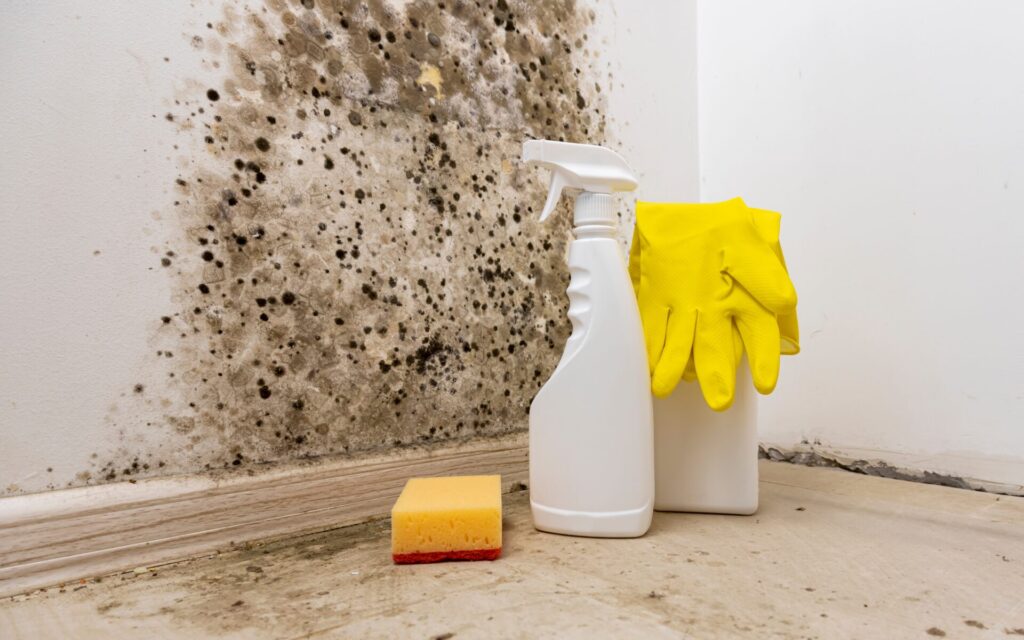
Update Your Insulation for a Healthier Home
Even if preventing mold is no longer possible, hiring a professional to remove moldy insulation and install new, effective insulation can make a huge difference for your family’s health as well as the comfort and air quality of your home. A home without mold provides cleaner air to breathe, fewer respiratory symptoms, and the added benefit of more efficient climate control all year round.
If you are worried about mold in your home, reach out to the experts at Wisconsin Home Improvement, LLC, to schedule a home energy audit.