
What is Rim-Joist Insulation?
Rim joists are the perimeter beams located where the floor framing meets the foundation wall. These areas are one of the most common sources of air leakage and energy loss in homes. Insulating and sealing rim joists improves comfort, reduces drafts, and lowers heating and cooling costs by stopping conditioned air from escaping and cold air from entering.
WHI installs rim joist insulation using closed-cell spray foam or rigid foam board to create an air-tight thermal barrier. This process blocks outdoor air, moisture, and pests from infiltrating the home. In older homes with exposed framing or fiberglass batts, sealing the rim joist area can dramatically improve energy efficiency and indoor air quality.
Rim joist insulation is especially effective when combined with air sealing and crawl space insulation for a complete envelope upgrade. These improvements help stabilize interior temperatures and protect your home’s structure from long-term moisture issues.
Whether you’re addressing drafts or building a more energy-efficient home, WHI delivers clean, durable rim joist solutions tailored to your space.

25% Air Leakage
Rim joists account for up to 25% of air leakage in older homes
Closed-cell spray foam provides an R-value of approximately 6.5 per inch
15% Cost Reduction
Air sealing and insulation can reduce total heating and cooling costs by 15%
Free Estimate (Inline)
"*" indicates required fields
How Our Rim-Joist Insulation Process Works
Our rim joist insulation process starts with identifying air and moisture leaks. We then seal gaps and apply closed-cell spray foam or rigid foam board to eliminate drafts and improve thermal performance.

Leak & Moisture Inspection
We check your rim joists for drafts, condensation, or structural gaps that reduce comfort and efficiency.
Sealing & Insulation
We seal cracks and install spray foam or rigid foam board insulation to create a continuous barrier.
Final Walkthrough
Our team ensures complete coverage and provides support for applicable rebates through Wisconsin energy programs.
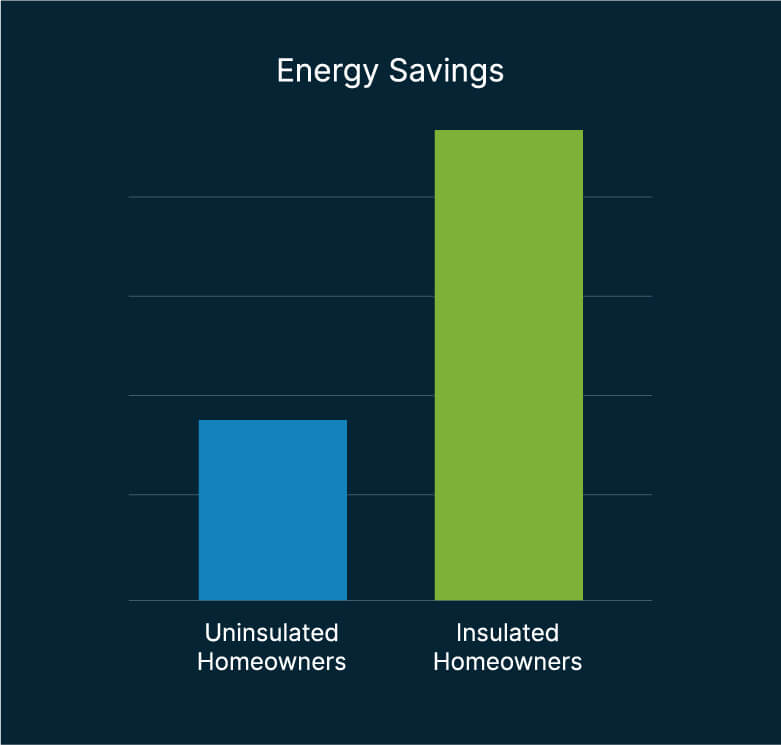
Live More Comfortably While Saving Money on Energy
Client Testimonials
Recent Posts About Insulation
Explore expert tips, energy-saving advice, and insulation insights tailored for Wisconsin homeowners. Stay informed with our latest updates



Frequently Asked Questions
If you don’t see the answer to your question, feel free to give us a call to speak with one of our friendly associates.
Why should I insulate my rim joists?
Rim joists are notorious for allowing air leaks, moisture, and pests into your home. Because they sit at the perimeter of the floor framing, unsealed rim joists let in cold air during winter and hot, humid air in the summer. Insulating them reduces drafts, prevents condensation, and improves overall energy efficiency. WHI uses spray foam or rigid foam board to properly seal and insulate these areas for long-term performance.
What is the best insulation for rim joists?
Closed-cell spray foam is considered the best insulation for rim joists due to its superior air sealing and moisture resistance. It expands to fill gaps and adheres directly to the framing, creating an airtight seal. Rigid foam board is also a good choice and is often used where spray foam access is limited. WHI selects the most effective product for your space based on access, climate, and building codes.
How do I know if my rim joists are leaking air?
Signs of rim joist air leakage include cold floors, drafts near the base of walls, high energy bills, or musty odors in the basement or crawl space. You may also feel temperature differences or spot gaps where framing meets foundation walls. WHI performs full home energy assessments and uses tools like thermal cameras or blower door tests to identify leakage at the rim joists and recommend appropriate solutions.
Can I insulate rim joists in an existing home?
Yes. Rim joist insulation can be retrofitted in most existing homes with unfinished basements or accessible crawl spaces. WHI removes old fiberglass or ineffective materials, seals air gaps, and installs foam-based insulation for superior results. It’s a fast and non-invasive upgrade that immediately improves comfort and energy savings.
Will rim joist insulation affect moisture levels?
Properly installed rim joist insulation helps reduce interior moisture issues by sealing out humid air and preventing condensation. Spray foam, in particular, acts as both an insulator and vapor barrier. WHI checks for any existing moisture or mold before insulating and ensures your space remains dry and protected going forward.
Are there rebates for rim joist insulation in Wisconsin?
Yes. Rim joist insulation often qualifies for rebates through Wisconsin’s Focus on Energy program, especially when installed with air sealing or whole-home insulation upgrades. WHI will confirm eligibility and help you complete the required documentation to claim your rebate and maximize energy savings.